
Transforming Unused Areas of Your School Grounds Into Functional Spaces
With thoughtful planning, underused courtyards, empty corners and overlooked areas of your school grounds can be transformed into functional outdoor spaces that support learning, encourage play and enhance student wellbeing.
For schools looking to improve their facilities without undertaking a major expansion, refurbishing existing outdoor spaces can be a practical way to make better use of available land.
At BELCORE, we help education facilities explore outdoor refurbishment solutions that improve functionality, accessibility and long-term usability.
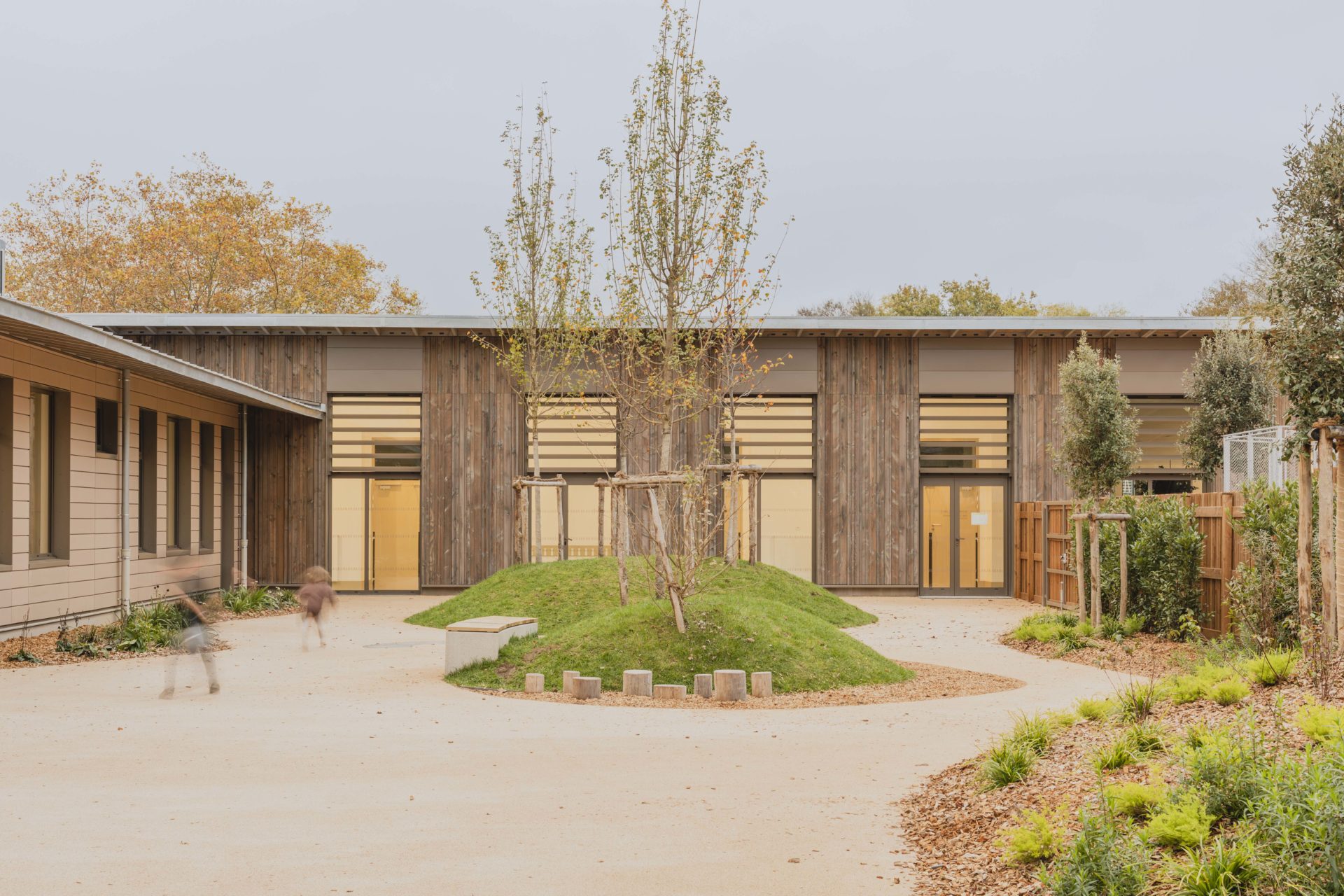
Identify the Potential of Underused Areas
Before planning a refurbishment, it is important to understand why a particular space is not being used effectively.
An empty courtyard might lack shade or seating. A narrow area beside a classroom may have poor drainage, while an unused paved section might need a clearer purpose.
Schools should assess how students and staff currently move through the grounds and identify what prevents these areas from being used.
Common issues include:
• Insufficient shade or weather protection.
• Uneven, worn or slippery surfaces.
• Poor drainage and water pooling.
• Limited seating or gathering areas.
• Inadequate access between buildings.
• Layouts that make supervision difficult.
Identifying these issues early helps schools prioritise improvements that address genuine needs rather than adding features that may see little use.
Give Every Space a Clear Purpose
A successful outdoor refurbishment starts with understanding how the area will be used.
Depending on its location and available space, an underused area could become an outdoor classroom, a shaded lunch area, a quiet reading corner or an informal gathering space.
For example, an unused courtyard near classrooms could accommodate outdoor lessons and group activities. A quiet corner away from busy play areas might be better suited to seating and relaxation.
Schools should consider the number of students who will use the area, the activities it needs to support and the staff responsible for supervising it.
Involving teachers, facilities managers and other relevant staff during the planning stage can help ensure the finished space meets everyday requirements.
Improve Comfort With Shade and Weather Protection
Outdoor spaces are more likely to remain useful when students and staff can use them comfortably throughout the school day.
Shade sails, tensile membrane canopies and other suitable shade structures can help protect outdoor seating and activity areas from direct sunlight. Depending on the intended use, more substantial weather protection may also be appropriate.
When planning a shade structure, schools should consider the movement of sunlight, exposure to wind and rain, available installation space and the position of structural posts.
The structure should complement the surrounding buildings and leave sufficient room for pedestrian movement, seating and other activities.
By incorporating shade and weather protection into the design, schools can make outdoor areas more practical for everyday use.
Choose Durable and Suitable Surface Materials
The condition of an outdoor surface can determine whether an area is safe, accessible and practical to maintain.
Worn grass, muddy ground and deteriorating paving may limit how a space can be used. Depending on the intended activities, improvements could include new paving, concrete, natural turf, synthetic turf or other suitable surface treatments.
A heavily used pedestrian route may require a durable surface that accommodates regular foot traffic. An outdoor recreation area may need a different solution based on its activities and maintenance requirements.
Before installing new finishes, schools should assess the existing ground conditions, levels and drainage. Proper preparation is essential to help the completed surface perform as intended.
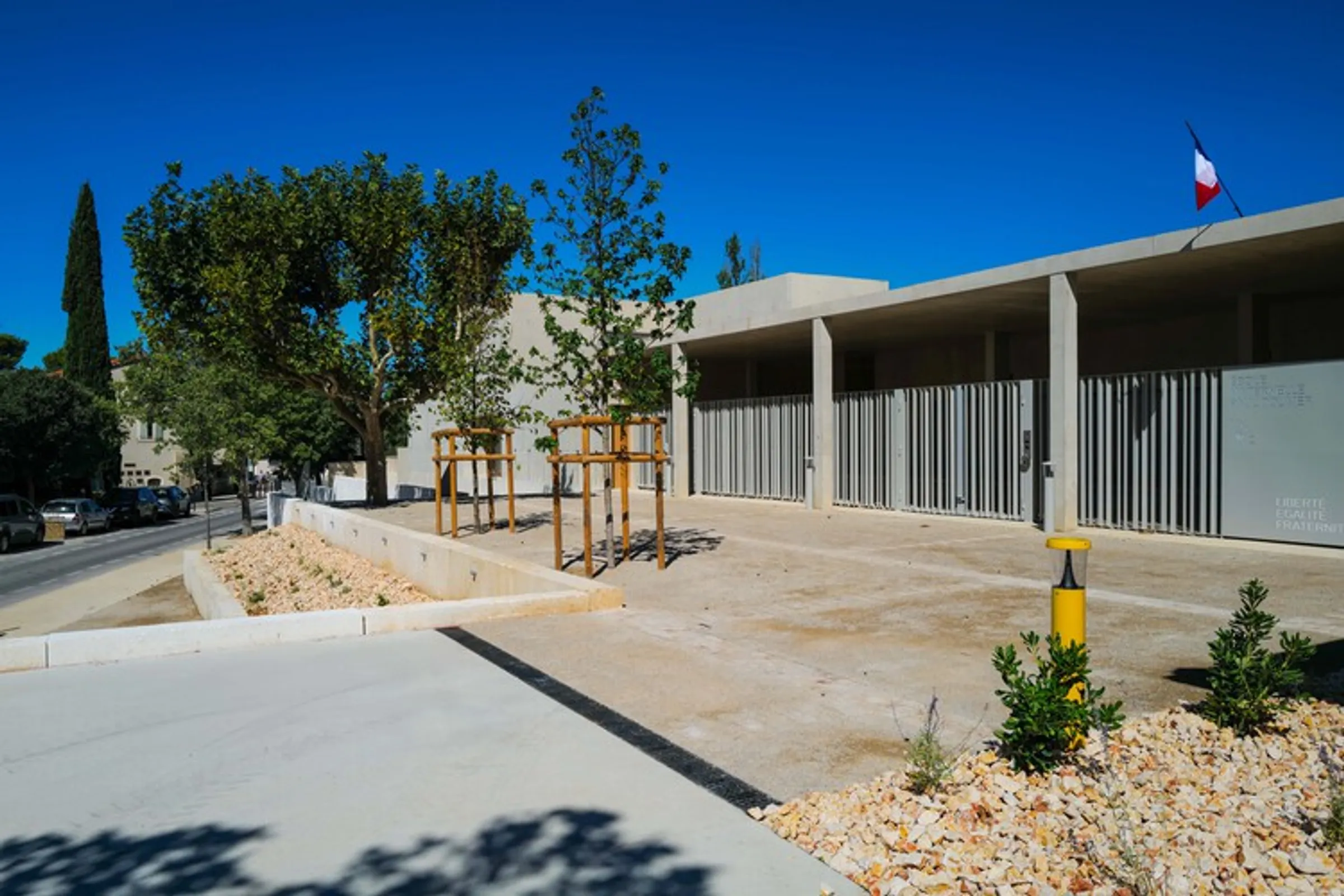
Make Outdoor Learning and Gathering Easier
Outdoor spaces can provide additional opportunities for teaching, collaboration and social interaction when they are designed around practical needs.
An outdoor learning area may benefit from seating arrangements that accommodate a class, a clearly defined teaching position and enough space for students to move between activities.
A shared gathering area might require durable benches, tables or a layout that allows students to sit together during breaks.
Accessibility should also be considered. Pathways, furniture and structural elements need to be positioned carefully to support convenient movement throughout the grounds.
The objective is to create spaces that teachers and students can use easily without extensive preparation or unnecessary obstacles.
Address Drainage and Ground Conditions Early
Adding seating, landscaping or shade structures will have limited value if the underlying area remains difficult to use after rain.
Poor drainage can result in standing water, muddy surfaces and deterioration over time. Changes in ground levels, existing foundations and underground services can also affect the design and cost of a refurbishment.
Schools should investigate these conditions before finalising the proposed layout and surface finishes.
Depending on the site, the work may involve drainage improvements, earthworks, surface preparation or adjustments to existing levels.
Addressing these requirements early can help reduce unexpected complications during construction and support the long-term performance of the completed space.
Consider Maintenance and Long-Term Value
A refurbished outdoor area should be practical to maintain as well as attractive and functional.
Before selecting materials, furniture or landscaping, schools should consider the ongoing requirements associated with cleaning, repairs, watering and replacement components.
Durable materials and straightforward layouts may offer better long-term value than designs with numerous features requiring regular attention.
It is also important to consider the school's available maintenance resources and the expected level of use.
Planning for maintenance from the beginning helps ensure that the finished space continues to meet the school's needs beyond the initial construction period.
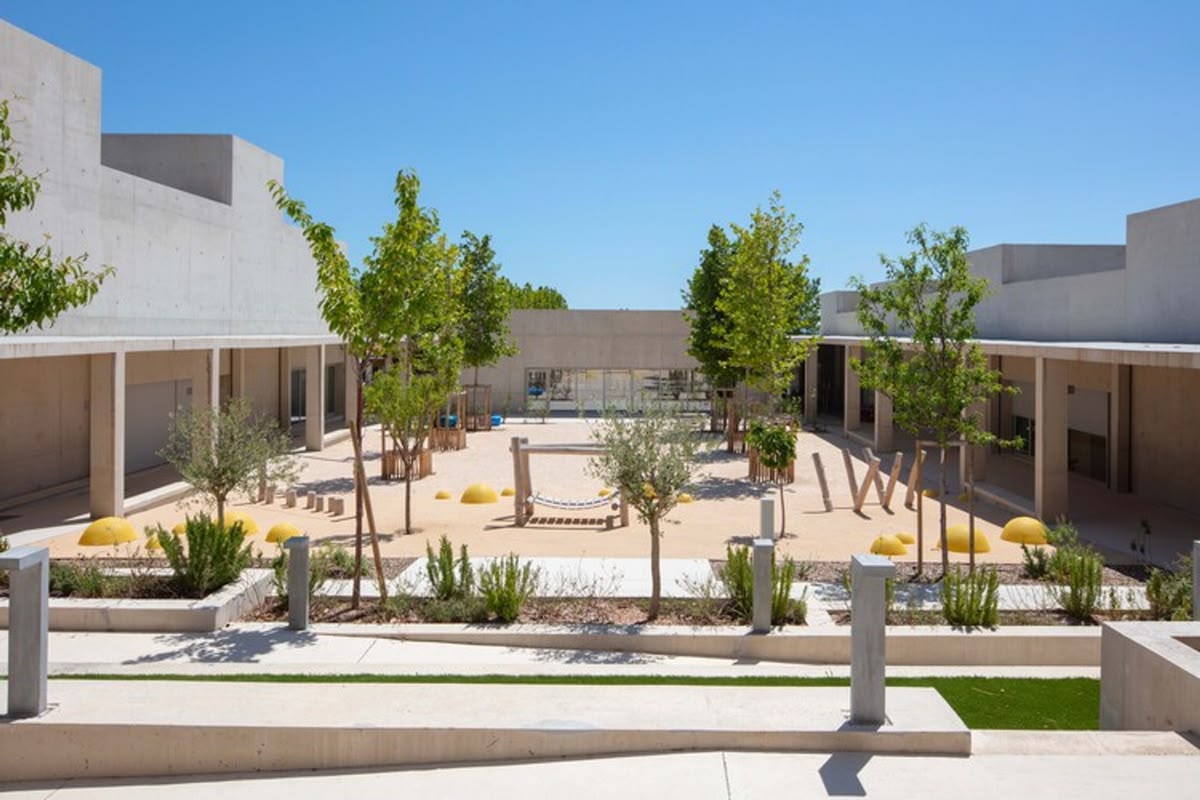
Plan Refurbishment Around School Operations
Construction activities can affect pedestrian access, nearby classrooms, deliveries and daily school operations.
A well-planned project should consider construction access, temporary fencing, alternative pedestrian routes and the timing of disruptive activities.
Where schools prefer work to be completed during school holidays, planning should begin well before the intended construction period. Site investigations, design, approvals and procurement can all influence the overall project timeline.
A coordinated approach helps schools prepare for construction while reducing disruption to students and staff.
How BELCORE Can Help
BELCORE works with education facilities to transform underused outdoor areas into practical spaces for learning, play and gathering.
From improving surfaces and drainage to incorporating shade structures, seating and landscaping, our approach considers how the different elements work together to support the school's requirements.
We can assist with defining the project scope and coordinating investigations, design, consultants, approvals and construction, helping schools plan improvements that reflect their priorities and available space.
Whether your school is considering a courtyard refurbishment, a new outdoor learning area or improvements to existing external facilities, early planning can help identify opportunities and establish a practical way forward.
Make Better Use of Your School Grounds
Unused outdoor areas can offer valuable opportunities to improve the functionality of an existing campus. By identifying current problems, establishing a clear purpose and planning for accessibility, drainage, shade and maintenance, schools can create spaces that better support their everyday activities.
Contact BELCORE to discuss your school's outdoor refurbishment requirements and explore how your existing grounds could become more functional, welcoming and useful.