
Five Site Investigations to Help Avoid Unexpected Project Costs
When planning a construction or outdoor refurbishment project, what lies beneath the surface can be just as important as what you see above it. Unexpected underground services, unstable soil, poor drainage or inaccurate site measurements can lead to costly delays, design changes and unplanned expenses.
For schools, commercial properties and public facilities, conducting the right site investigations early can help identify potential risks before construction begins. By understanding the site conditions from the outset, project teams can make informed decisions, develop realistic budgets and minimize disruptions throughout the construction process.
Here are five essential site investigations that can help prevent expensive surprises.

Service Locating: Know What Lies Beneath
Before excavation, drilling or groundworks begin, it is essential to understand the location of existing underground and above-ground services. These may include electrical cables, water pipes, sewer lines, gas infrastructure and telecommunications networks.
Accidentally damaging these services can result in safety hazards, costly repairs, project delays and interruptions to essential operations.
A professional service-locating investigation helps identify known and detectable services so that designs and construction activities can be planned accordingly. Where necessary, additional investigation methods can be used to verify service locations and depths.
Why it matters: Identifying services early helps reduce the risk of damaging existing infrastructure and allows construction teams to plan excavation and installation works more safely.
Land Surveying: Establish Accurate Site Conditions
Accurate site information is fundamental to successful construction planning. A land survey provides essential details about boundaries, levels, dimensions, existing structures and other physical features that may influence the proposed works.
Without reliable survey information, projects can encounter problems such as incorrect levels, unsuitable design layouts, boundary conflicts and unexpected adjustments during construction.
For outdoor refurbishment projects, surveying can be particularly important when planning footpaths, playgrounds, sports courts, carparks, retaining walls and shade structures. Even small differences in levels can affect accessibility, surface installation and drainage performance.
Why it matters: A detailed survey gives designers and contractors a reliable foundation for developing practical plans, setting accurate levels and reducing costly rework.
Geotechnical Investigations: Understand the Ground Conditions
Not all ground conditions are suitable for every type of construction. Soil composition, bearing capacity, groundwater conditions and the presence of uncontrolled fill can influence the stability and performance of structures and paved surfaces.
Geotechnical investigations assess the ground to help determine whether it can support the proposed works and identify any conditions requiring additional consideration.
For example, a new shade structure may require foundations designed for the site's specific soil conditions. Similarly, a proposed retaining wall, playground, sports court or car park may need careful consideration of ground stability and subgrade performance.
Depending on the project, investigations may involve boreholes, test pits, soil sampling and laboratory testing.
Why it matters: Understanding ground conditions early helps engineers select appropriate foundation systems, identify potential ground risks and avoid unexpected changes to construction methods or structural design.
Drainage Assessments: Prevent Water-Related Problems
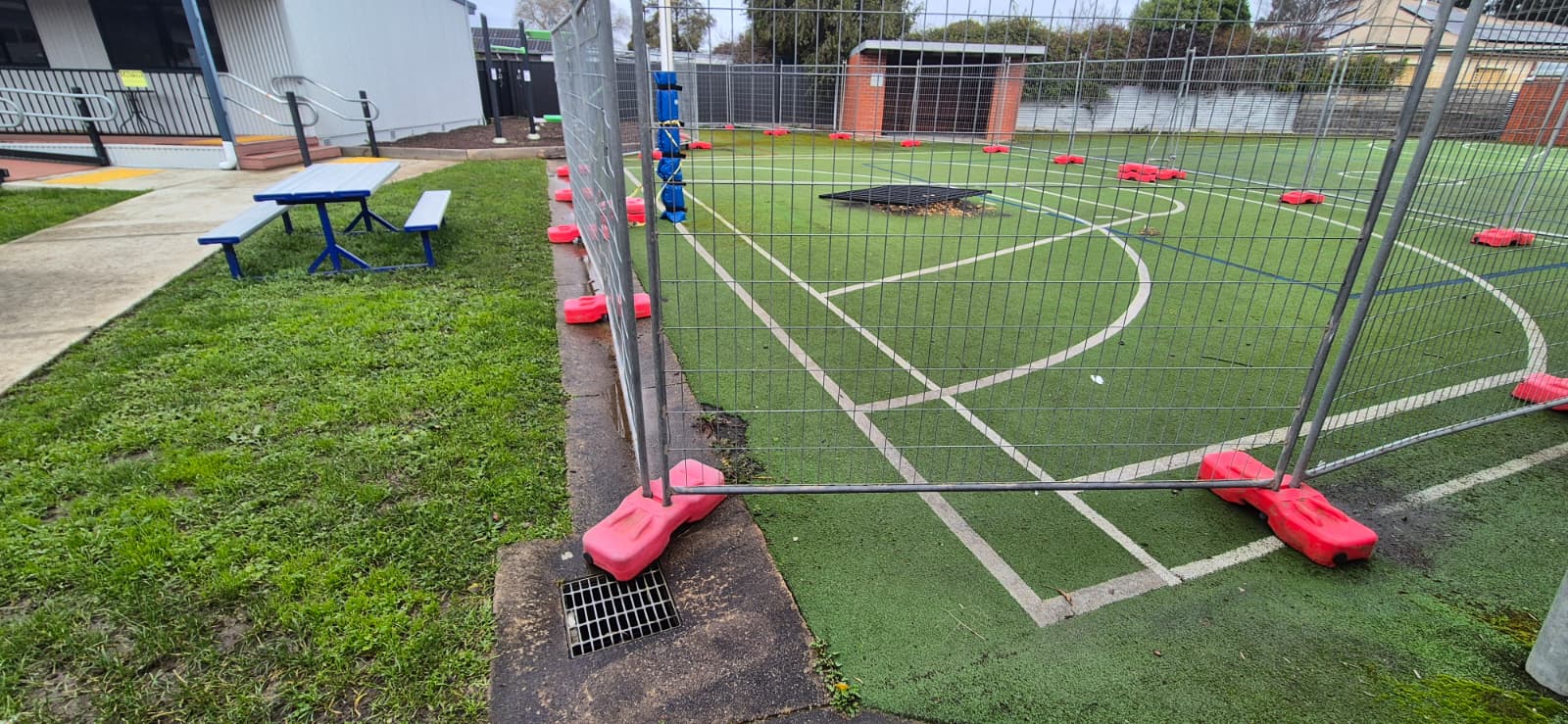
Poor drainage can create ongoing problems for buildings, outdoor facilities and landscaped areas. Water pooling, erosion, saturated ground and inadequate storm water management can damage surfaces, compromise accessibility and shorten the lifespan of completed works.
A drainage assessment examines existing site levels, waterflow paths, stormwater infrastructure and potential areas where water may accumulate. It can also help determine whether the proposed design will affect existing drainage patterns.
For schools and other busy facilities, drainage is especially important around playgrounds, outdoor learning areas, sports courts, pathways and car parks. Effective drainage planning helps keep these spaces functional and reduces the risk of water-related damage.
Why it matters: Identifying drainage issues before construction allows suitable solutions to be incorporated into the design, rather than requiring expensive rectification after completion.
Early Planning Advice: Identify Risks Before They Become Problems
Site investigations are most valuable when their findings are considered early in the planning process. Early planning advice brings together information about existing services, survey results, ground conditions, drainage requirements, site access and the proposed scope of work.
This allows potential constraints to be identified before designs are finalised and construction budgets are committed.
For example, a school planning an outdoor refurbishment during the holiday period may need to coordinate excavation, underground services, drainage upgrades, access requirements and the installation of new facilities within a limited timeframe.
Early advice can help determine the appropriate sequence of investigations, highlight approvals or specialist input that may be required, and establish a more realistic approach to project delivery.
Why it matters: Addressing potential issues during planning gives project teams more time to assess options, coordinate stakeholders and make informed decisions before unexpected costs arise.
The Cost of Investigating Early Versus Fixing Problems Later
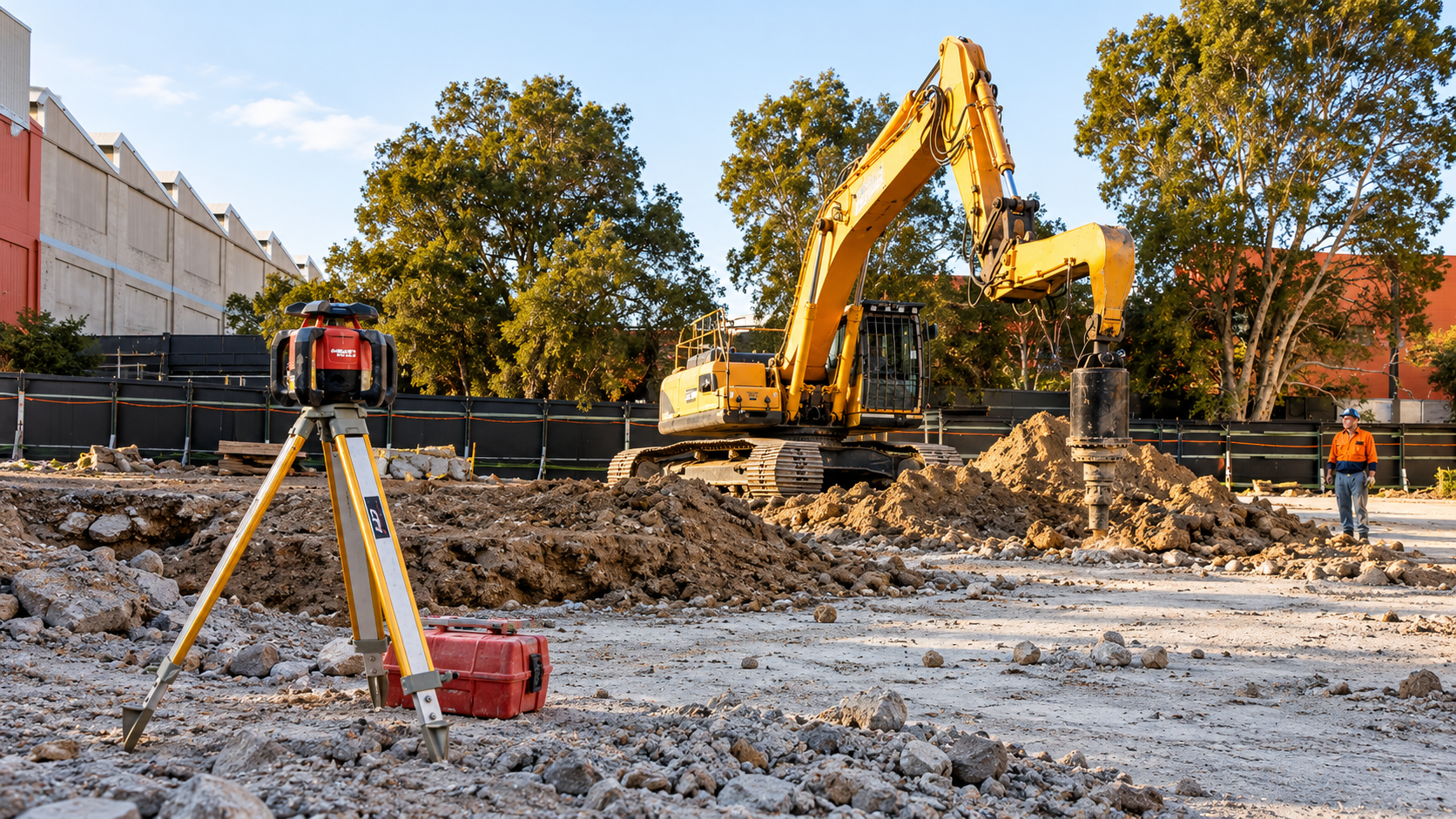
Skipping essential investigations may appear to save moneyat the beginning of a project. However, the cost of resolving an unexpected issue during construction can extend beyond the immediate repair.
Potential consequences include:
• Budget overruns: Additional materials, labour, specialist services and design changes.
• Construction delays: Work stoppages while unforeseen conditions are investigated and resolved.
• Rework: Removing or modifying completed work to accommodate previously unidentified issues.
• Safety risks: Damage to underground services or unstable ground conditions.
• Operational disruption: Noise, restricted access and interruptions to school or business activities.
Although investigations have an upfront cost, they provide valuable information that can help project teams make better decisions and manage risks before construction begins.
Building a Stronger Foundation for Successful Projects
Every construction site presents different opportunities and challenges. The investigations required will depend on the site's characteristics, the proposed works and the level of risk involved.
By considering service locating, land surveying, geotechnical investigations, drainage assessments and early planning advice, project owners can develop a clearer understanding of site conditions before work commences.
For schools, businesses and facility managers planning outdoor upgrades or larger construction projects, early investigation can help protect budgets, improve coordination and reduce avoidable disruption.
At Belcore, careful planning and a coordinated approach to project delivery help support better-informed decisions from the earliest stages of a project. Taking the time to understand the site before construction begins can make a meaningful difference to the quality, efficiency and long-term performance of the finished result.
Planning an upcoming construction or outdoor refurbishment project? Consider the site investigations needed before work begins to help identify risks, avoid unnecessary costs and set your project up for success.