
Designing School Outdoor Spaces for Year-Round Use
School outdoor spaces play an important role in student wellbeing, social interaction, physical activity and everyday learning. From outdoor lunch areas and playgrounds to covered walkways and sports courts,these spaces provide valuable opportunities for students to connect, move andlearn beyond the classroom.
However, changing weather conditions can significantly affect how often these areas are used. Heavy rain, harsh summer sun, poor drainage, inadequate lighting and worn surfaces can turn otherwise valuable outdoor spaces into areas that are uncomfortable or unsafe.
With thoughtful planning and the right infrastructure, schools can create outdoor environments that remain functional, comfortable and accessible throughout the year.
Provide effective weather protection
Weather protection is one of the most important considerations when designing outdoor school facilities. In Australia, outdoor areas need to accommodate hot summer days, sudden downpours and changing seasonal conditions.
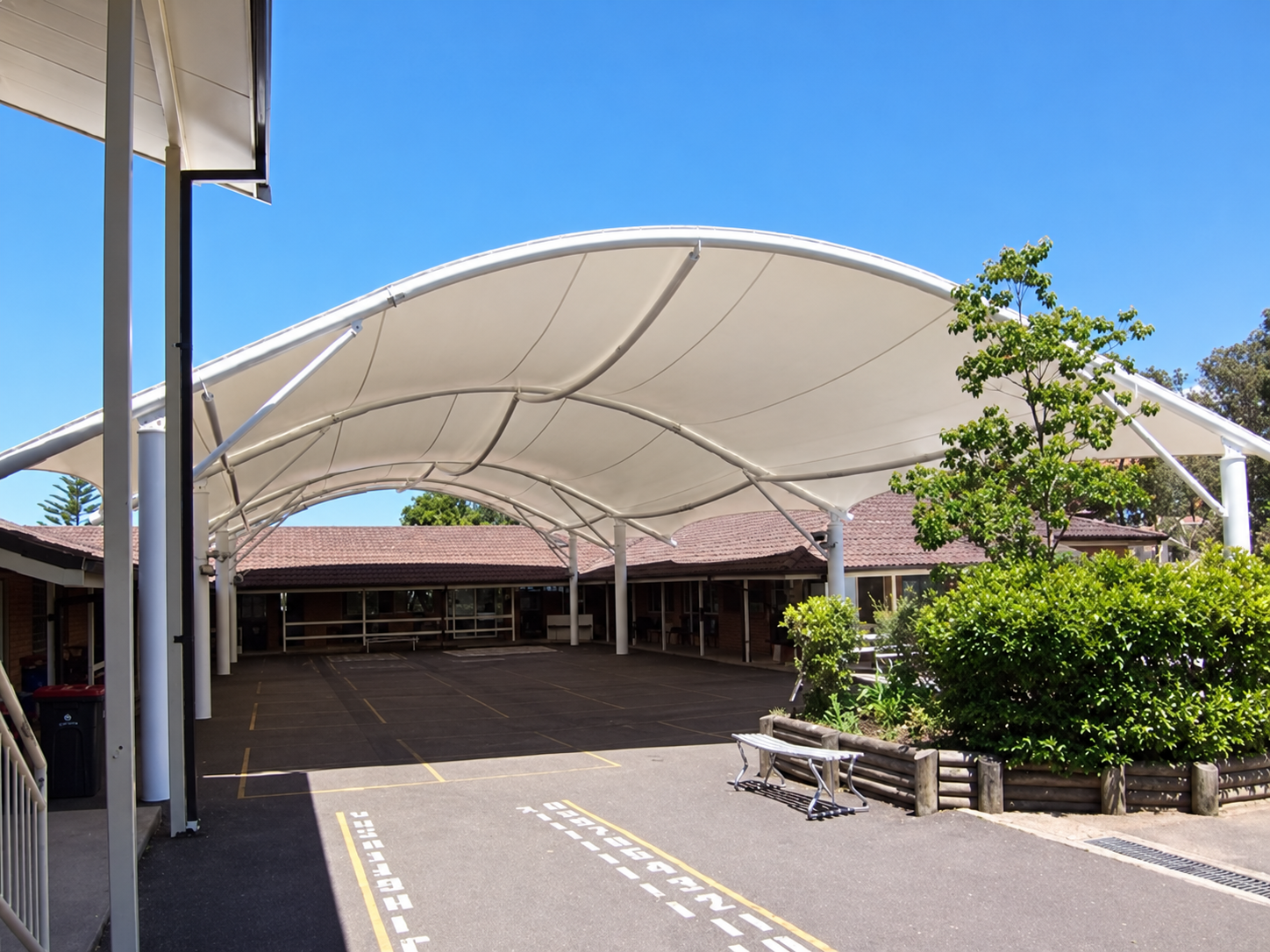
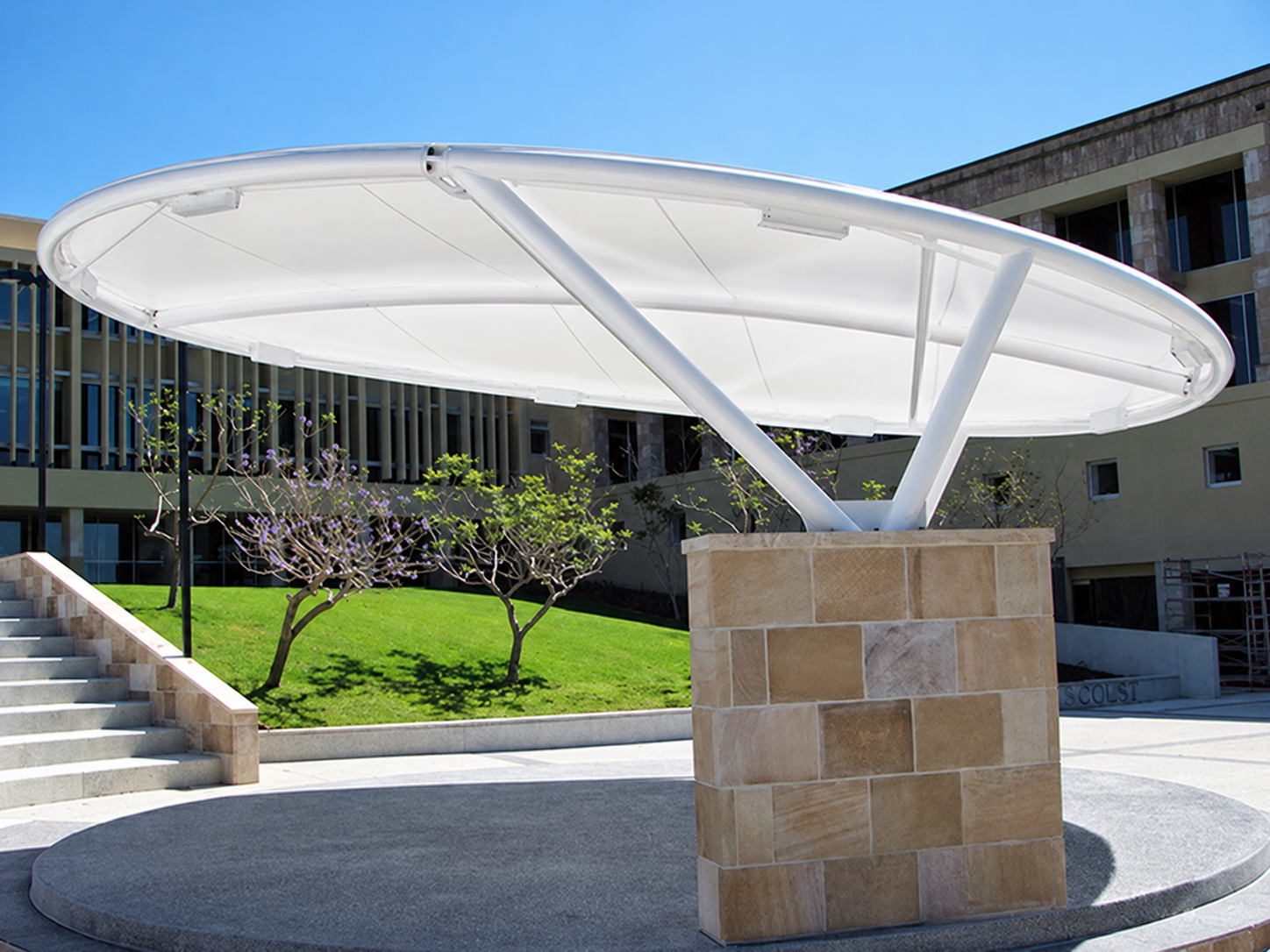
Shade structures, tensile membrane canopies, shade sails and outdoor umbrellas can help protect students from direct sunlight while providing more comfortable spaces for eating, socialising and outdoor activities.
Covered seating areas and sheltered walkways can also help students and staff move around the school grounds during wet weather. When planning these structures, schools should consider sun orientation, prevailing winds, coverage requirements and the intended use of each area.
Choosing the right solution for the location can improve comfort and help schools make better use of their existing outdoor spaces.
Improve lighting for safer outdoor areas
Adequate lighting can extend the usability of outdoor spaces during early mornings, late afternoons and the shorter days of winter.
Pathways, entry points, covered seating areas, car parks and outdoor activity zones should be assessed to identify areas where visibility may be limited. Well-positioned lighting can help students, staff and visitors navigate school grounds more confidently while supporting safer movement around the site.
Lighting should be appropriate for the purpose of each space, with consideration given to energy efficiency, maintenance requirements, glare and light spill into neighboring properties or classrooms.
Integrating lighting into an overall outdoor improvement plan can help create a more functional environment without relying on temporary or poorly positioned fixtures.

Address drainage and water management
Poor drainage can quickly reduce the usability of school outdoor areas. Pooled water, muddy ground and slippery pathways can disrupt daily activities, restrict access and contribute to the deterioration of outdoor surfaces.
Effective drainage begins with understanding how water moves across the site. Existing ground levels, surface gradients, nearby buildings and the location of storm water infrastructure should all be considered before construction or refurbishment begins.
Depending on the site, improvements may include regrading surfaces, installing suitable drainage channels, upgrading storm water connections or selecting permeable materials where appropriate.
Schools should also consider how water runoff from shade structures and canopies will be managed. Directing roof water appropriately can help prevent localised flooding, erosion and water accumulation around pedestrian areas.
Addressing drainage as part of a broader refurbishment project can help protect the investment in new surfaces, structures and landscaping.
Choose durable, fit-for-purpose surfaces
Outdoor surfaces experience significant daily use in school environments. Students move between buildings, gather during breaks, participate in sports and use outdoor facilities throughout the school day.
Materials should be selected according to the activity, expected foot traffic, exposure to weather and ongoing maintenance requirements.
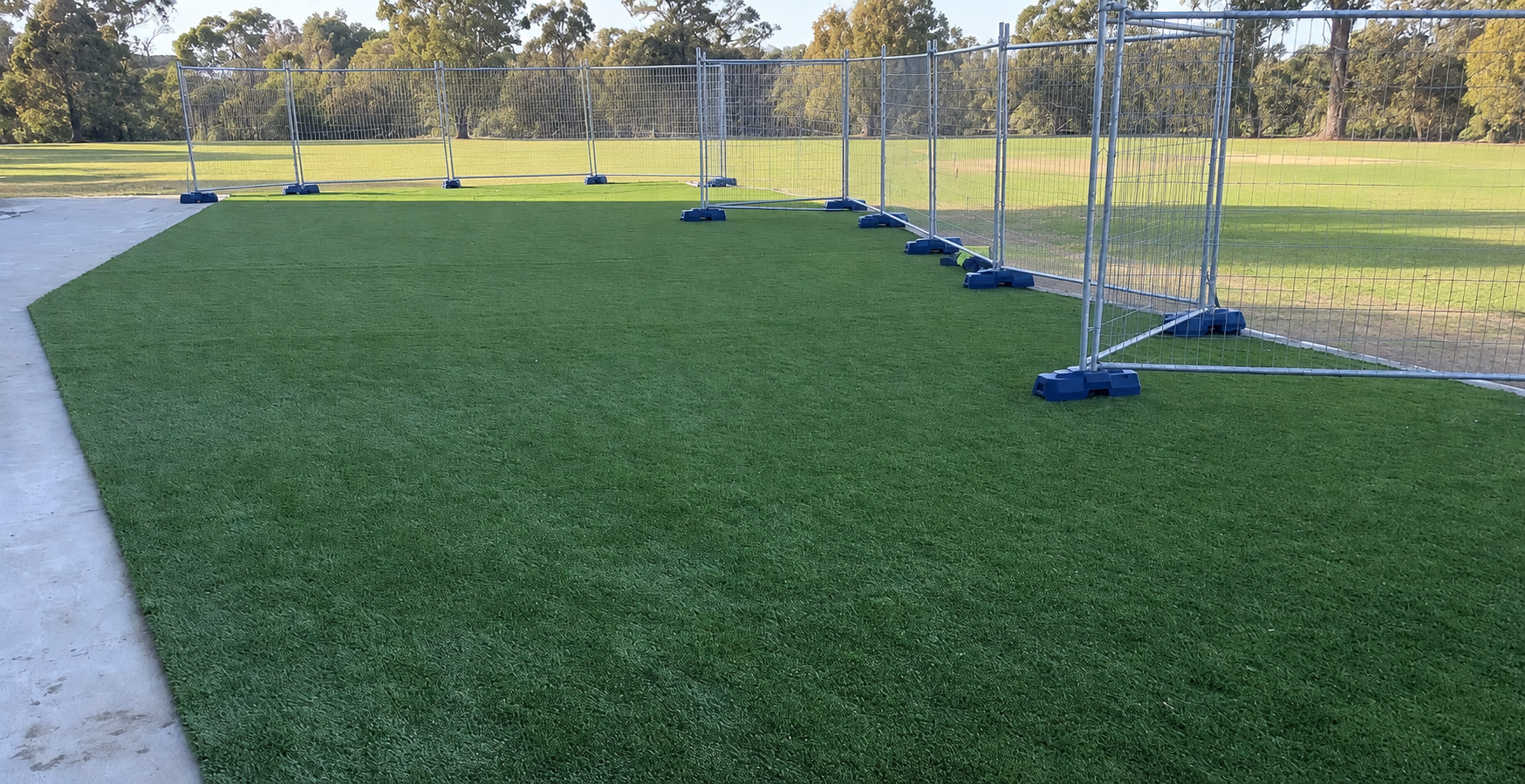
Depending on the application, suitable options may include concrete paving, asphalt, sports surfacing, synthetic turf or other purpose-designed materials. Each option has different considerations for drainage, slip resistance, accessibility, durability and long-term upkeep.
For example, playgrounds require surfaces suited to the equipment and relevant impact-attenuation requirements, while pedestrian pathways need stable, slip-resistant surfaces that support accessible movement. Sports courts require appropriate surface performance for their intended activities.
Selecting materials based on the specific needs of each area can help minimize premature deterioration, reduce disruption and supportlong-term value.
Design flexible spaces for different activities
The most effective outdoor school environments are designed around how students and staff actually use them.
A single outdoor area may need to accommodate lunch breaks, informal learning, group activities, assemblies and social interaction. Flexible layouts can help schools maximize the value of their available space.
Consider incorporating fixed seating, shaded gathering areas, clear pedestrian routes and open areas that can accommodate different activities throughout the day. Where appropriate, landscaping and planting can help create a more inviting environment while contributing to shade and visual appeal.
Schools should also consider how different age groups, mobility needs and activity levels influence the design. Clear circulation routes and accessible facilities help ensure outdoor areas can be used by a wider range of students, staff and visitors.
Plan for maintenance and long-term performance
A successful outdoor refurbishment should deliver benefits well beyond the initial installation.
Regular inspections and planned maintenance help identify isues such as damaged shade fabric, loose fixtures, deteriorating surfaces, blocked drains and faulty lighting before they develop into more significant problems.
When assessing an existing outdoor area, schools should consider not only the immediate repairs required but also the expected lifespan, maintenance needs and replacement costs of proposed improvements.
Combining related works into a coordinated project may also help reduce disruption to school operations and create a more consistent result across the site.
Working with an experienced construction and refurbishment partner can help schools identify priorities, assess site conditions and develop practical solutions that align with their available budgets and future plans.
Creating better outdoor environments for every season
Designing school outdoor spaces for year-round use requires more than adding a shade structure or replacing a worn surface. It involves considering how weather protection, lighting, drainage, materials, accessibility and maintenance work together to create a functional environment.
By taking a coordinated approach to outdoor infrastructure, schools can improve the usability of existing spaces, support student well being and make better use of their facilities throughout the year.
For schools planning future maintenance, capital works oroutdoor refurbishment, early assessment and careful planning can help identify opportunities to improve comfort, safety and long-term performance.
Planning an outdoor refurbishment project for your school?
Belcore works with education facilities to deliver outdoor refurbishment and construction solutions, including shade structures, canopies, pathways, hardscapes and external access improvements.
Contact Belcore to discuss your school's outdoor inrastructure requirements and explore practical solutions for creating more functional outdoor spaces throughout the year.